
Bringing hospitality and architecture to life
Photography for interior-architecture, hotel and hospitality brands.
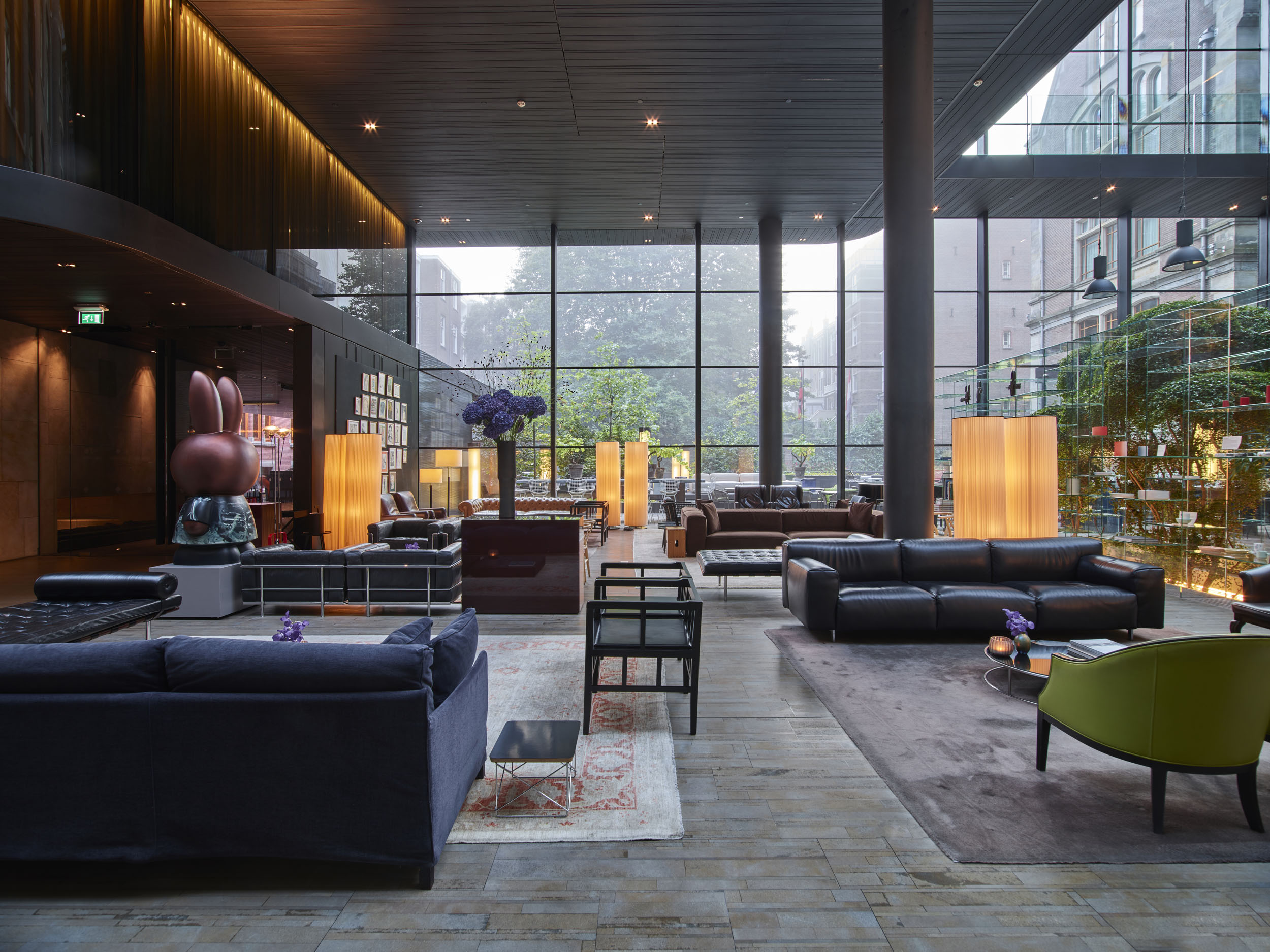
Interior photography that understands space, light and intention
Interior design and architecture are defined by proportion, material, and atmosphere.
Photographing interiors requires sensitivity to how a space is meant to be experienced.
Light shapes volume. Materials respond differently throughout the day.
Lines, rhythm, and depth determine how a space feels rather than how it looks.
Effective interior photography respects these elements. It translates design choices into clear, calm images that communicate spatial quality and character. The result supports designers, architects, and clients in presenting their work with confidence and clarity. Take a look at the projects here >
Hotel Suite Photography
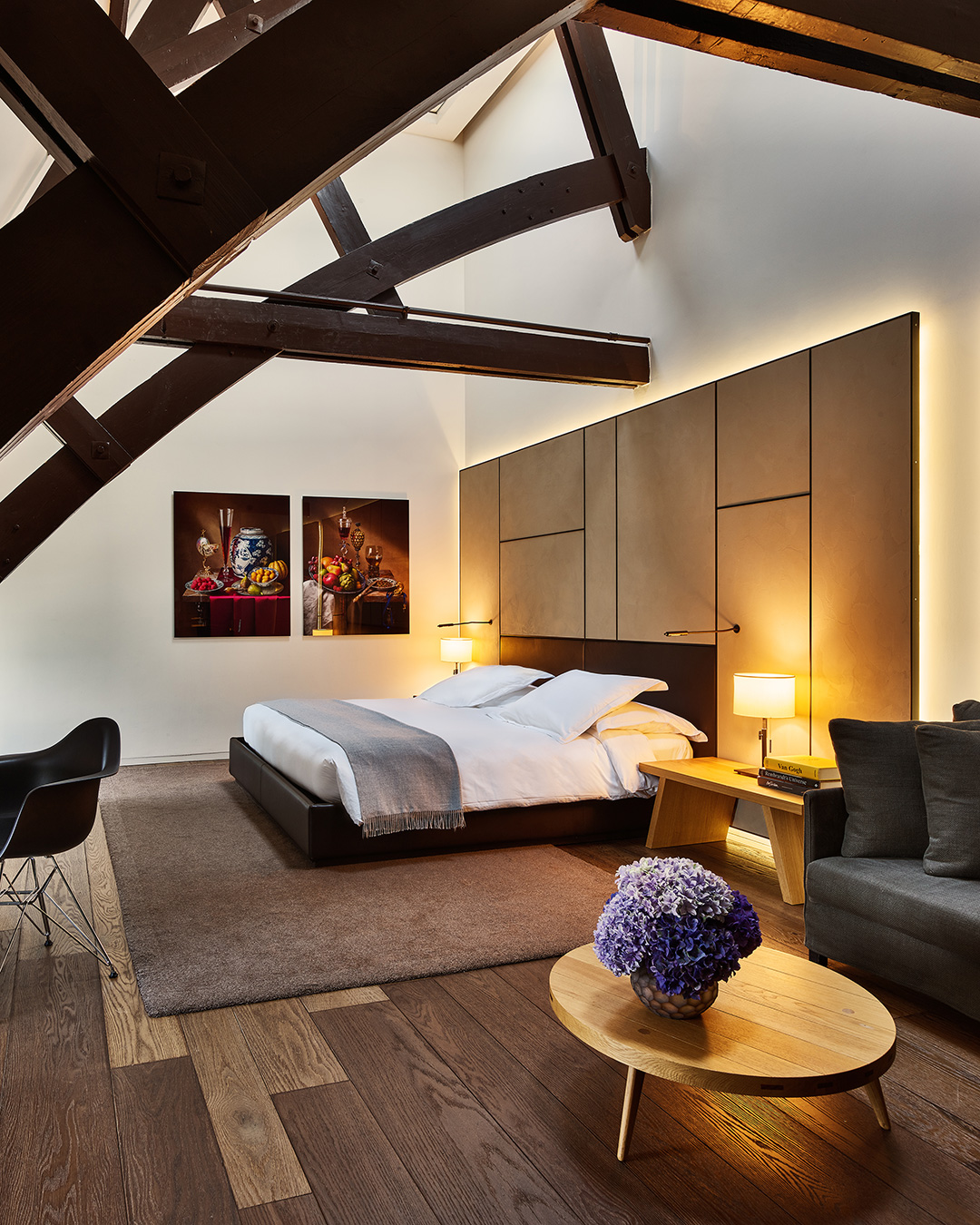
Luxury hotel suites are designed to be experienced before they are booked.
Guests decide based on atmosphere, calm, and a sense of exclusivity.
Photography for hotel suites needs to communicate space, privacy, and comfort in a believable way. Light must feel natural. Materials should read as rich rather than decorative. Scale and layout need to be instantly clear.
For hotel management, these images support room sales and long-term brand positioning. For marketing teams, they provide visual continuity across websites, booking platforms, and social channels.
Strong suite photography does not exaggerate. It builds trust, conveys quality, and allows potential guests to imagine themselves inside the space. See my latest hotel suite photography project here >
Client list
Restaurant Photography
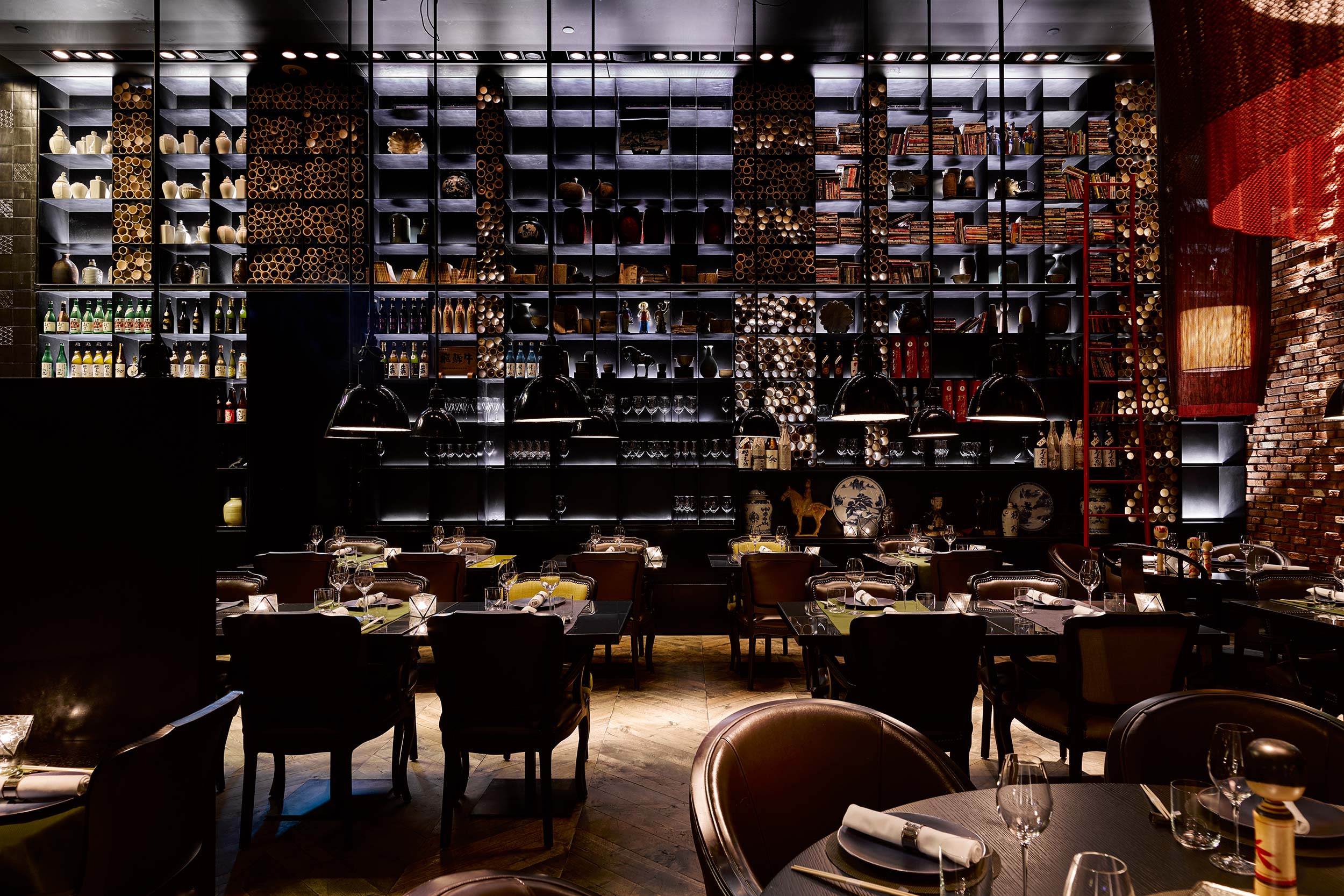
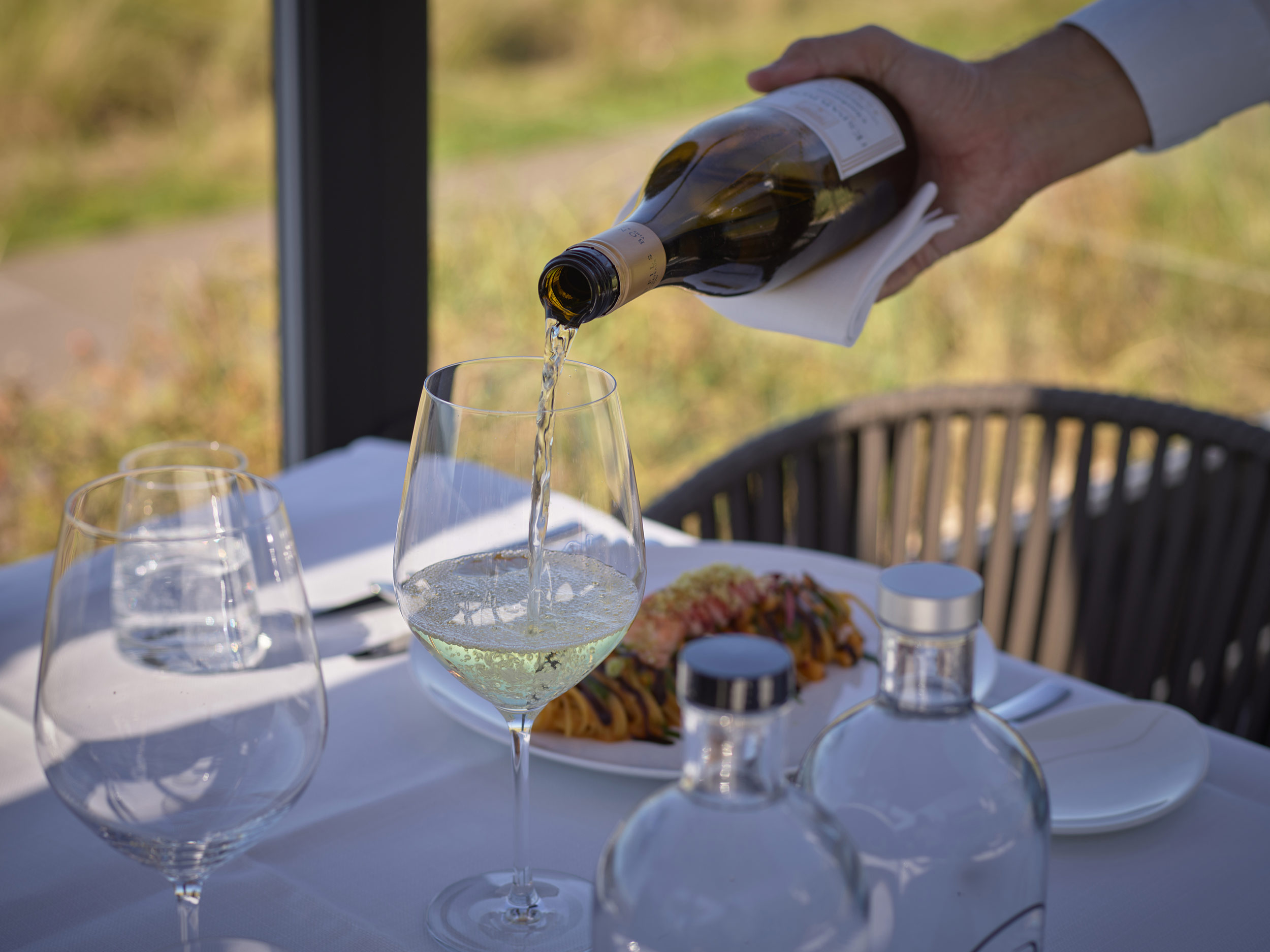
Restaurants are experienced through atmosphere, rhythm, and detail. Photography needs to capture more than a layout. It needs to translate energy, mood, and identity into a visual language.
Light plays a central role. The balance between natural and artificial light sets the tone. Materials, colors, and textures come together to define the character of the space.
Effective restaurant photography supports both branding and communication.
It allows guests to sense the experience before they arrive. For marketing teams, it provides imagery that feels consistent, inviting, and believable across digital channels.
Strong images don’t overstate. They observe, select, and reveal what makes a place distinct. Check out my latest restaurant photography series >
Working method for luxury hospitality
Luxury hotel photography requires preparation, sensitivity, and control. Every space has its own rhythm, light conditions, and operational constraints.
The process begins with understanding the environment. Room layouts, sightlines, materials, and light direction are considered before photography starts. This allows work on location to remain calm, efficient, and respectful of the hotel’s daily operations.
On site, attention is given to timing. Natural light is used where possible, artificial light where necessary. Spaces are photographed as they are meant to be experienced, without exaggeration or distraction.
Post-production is handled with the same care. Images are refined to remain natural, balanced, and consistent across platforms. The result is a coherent visual set that supports room sales, brand positioning, and long-term communication.
The working method is discreet, reliable, and aligned with the standards of high-end hospitality. See more hospitality projects here >
Design & art photography; focused on form, surface and presence
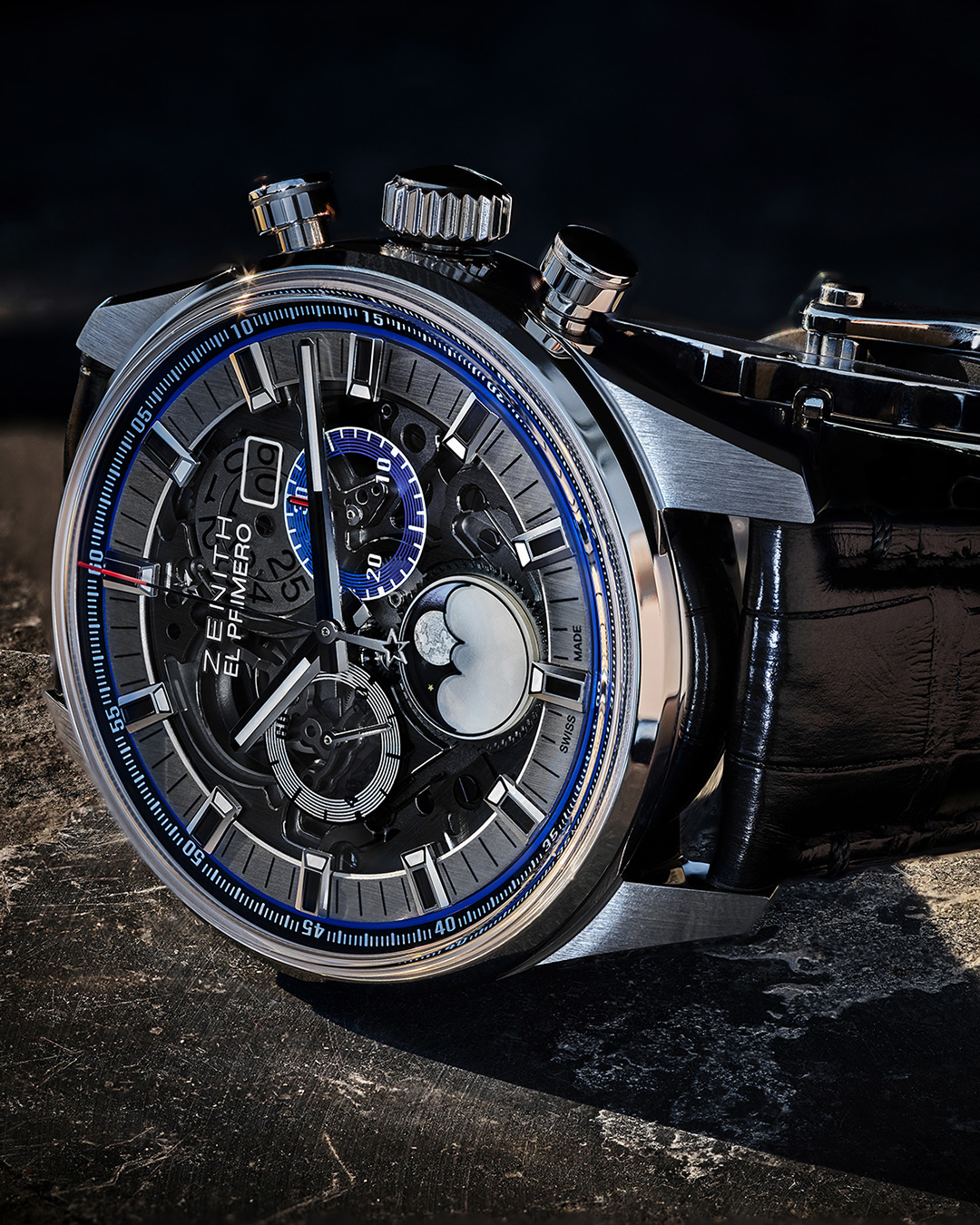
Artworks and objects demand a different kind of attention.
Scale, tactility, and surface detail become central to how they are perceived.
Photography in this context is about balance and restraint. Capturing how light touches material. Allowing form, texture, and intention to speak without distraction.
Strong art and object imagery provides context without overpowering the work itself. It offers a considered representation that respects both the object and its environment. This link will be added soon >